What's the best way to reach Chamonix from the UK?
Determining how to get to Chamonix in winter from the UK depends entirely on your travel priorities and budget. According to Visit France 2024 statistics, UK travellers represent 15% of winter visitors to French ski resorts, making transport connections increasingly competitive. Flying to Geneva Airport followed by a chamonix transfer from geneva airport remains the most popular route, offering the fastest journey time at approximately 5-6 hours total travel. However, driving through the Channel Tunnel provides complete flexibility for equipment transport and multiple resort visits during your Alpine adventure. The best way to reach Chamonix ultimately balances your desire for convenience against cost considerations, whether you prioritise speed, comfort, or budget efficiency for your mountain getaway!
Travel tip: Book Geneva transfers in advance for guaranteed winter reliability.
Key Information
- Flying via Geneva: The fastest route with 2-hour flights from UK cities, followed by 75-90 minute chamonix transfer from geneva airport - ideal for direct access to the Alps
- Transfer options vary significantly: Shared shuttles cost £25-40 per person, while private transport to chamonix ranges £200-350 for up to 8 passengers with superior comfort and reliability
- Seasonal considerations matter: Winter requires specialized equipment and experienced drivers, with costs increasing 20-30% during peak ski season but offering essential safety benefits
- Budget planning includes hidden costs: Total door-to-door expenses range £180-280 for economy options, £280-450 for mid-range comfort, factoring parking, baggage, and transfer fees
- Professional alpine expertise essential: Local operators like Taxi Mont Blanc provide weather monitoring, winter driving skills, and route knowledge crucial for safe mont blanc transfers in challenging mountain conditions
Comparison of Transportation Options from the UK to Chamonix
| Transport Method | Average Cost | Travel Time | Advantages |
|---|---|---|---|
| Flying via Geneva | £89-350 (flights + transfers) | 5-6 hours total | Fastest route, frequent flights, good for convenience |
| Driving (Channel Tunnel + Road) | £180-280 (fuel, tolls, parking) | 8-10 hours | Complete independence, equipment transport, flexibility |
| Rail (Eurostar + Regional Trains) | £120-250 | 8-11 hours | Scenic journey, eco-friendly, relaxing |
Our client, the avid skier, benefits from a variety of tailored options to reach Chamonix efficiently and comfortably. Whether prioritizing speed, cost, or scenic value, travelers can adapt their choice to suit their needs.
"Travel is the only thing you buy that makes you richer." — Anonymous
Flying to Geneva: Your gateway to Chamonix
Geneva Airport stands as the most convenient entry point to the French Alps, positioned just 90 minutes from Chamonix Mont-Blanc. Visit France 2024 statistics show over 2.3 million British visitors chose this route to access Alpine destinations. Which transport option suits your travel style to reach this Alpine destination? The best way to reach Chamonix typically begins with selecting from multiple direct flights departing year-round from major UK cities including London, Manchester, Birmingham, and Edinburgh.
Flight schedules and seasonal variations
Direct flights from London Heathrow to Geneva take approximately 2 hours 15 minutes, while Manchester and Birmingham routes average 2 hours 30 minutes. Winter ski season brings expanded flight schedules from December through March, with additional departures accommodating peak travel demand. Budget airlines offer competitive fares starting from £89 return during off-peak periods, while premium carriers charge £180-350 depending on booking timing and travel dates. Early morning departures prove popular for maximising mountain time, arriving in Geneva by 10:30am for swift onward connections. Book flights 6-8 weeks ahead for optimal pricing, particularly during February half-term and Christmas holidays when demand peaks. Chamonix travel options become readily accessible once you've secured your Geneva connection, making advance planning worthwhile for seamless Alpine adventures.
Airport transfer solutions
Multiple chamonix transfer from geneva airport options cater to different budgets and preferences. Shared shuttles operate hourly during peak season, costing £35 per person with 90-minute journey times including hotel stops. Private transport to chamonix services offer door-to-door convenience for £180-220 per vehicle, accommodating up to 8 passengers with luggage storage for ski equipment. Rental cars provide flexibility for exploring the valley, though winter driving requires confidence navigating mountain roads and mandatory snow equipment. Pre-booking transfers guarantees fixed pricing and eliminates arrival stress, particularly valuable after long travel days. Airport shuttle companies include Mountain Dropoffs, Chamonix Valley Transfers, and Alpine Express, each offering online booking with instant confirmation emails. During heavy snowfall periods, experienced drivers prove invaluable for safe mountain access, making mont blanc transfers a smart investment.
Premium and specialist transport
Luxury transfer options elevate the Alpine experience with executive vehicles, champagne service, and professional chauffeurs familiar with mountain conditions. Private driver chamonix services charge £280-400 but include meet-and-greet assistance, luggage handling, and flexible departure times. Helicopter transfers represent the ultimate splurge at £800+ per flight, weather permitting, completing the journey in just 20 minutes with spectacular aerial views. Group bookings for 6+ passengers often secure discounted rates on private minibuses, making premium transport surprisingly affordable when costs split. Many specialist operators offer ski equipment transportation, ensuring gear arrives safely at your accommodation. The best way to reach chamonix ultimately depends on your priorities: budget-conscious travellers choose shared shuttles, families prefer private vehicles, while luxury seekers opt for helicopter transfers that transform transportation into memorable experiences worth the investment.
Smart tip: Book airport transfers simultaneously with flights for package discounts and guaranteed availability!
Which transfer options work best from Geneva Airport?
Finding the best way to reach chamonix involves comparing four main transport options from Geneva Airport. Each option varies significantly in cost, comfort, and journey time, making your choice dependent on budget, group size, and travel priorities.
Shared Shuttle Services
Shared shuttles offer an economical middle ground for reaching Chamonix. These services typically cost £25-40 per person and take 90-120 minutes depending on passenger stops. Companies like Mountain Drop-offs and Alps2Alps operate regular chamonix shuttle service routes with fixed departure times.
Luggage capacity accommodates standard ski equipment and suitcases, though space becomes limited during peak winter seasons. Comfort levels remain reasonable with modern minibuses, but journey times extend with multiple hotel stops. Weather delays can affect schedules, particularly during heavy snowfall periods.
Booking flexibility allows online reservations, though last-minute availability varies during busy periods. This option works well for solo travelers or couples seeking affordable chamonix transfer from geneva airport solutions without premium service expectations. The best way to reach chamonix for budget-conscious travelers prioritizing cost over speed and convenience.
Private Transfer Services
Private transfers deliver premium comfort and reliability for Chamonix journeys. Costs range from £200-350 for up to 8 passengers, making them cost-effective for families or groups. Journey time remains consistent at 75-90 minutes with direct routing and no passenger stops.
Specialist operators like Taxi Mont Blanc provide mont blanc transfers with local alpine knowledge, winter driving expertise, and vehicle winter equipment. Their drivers understand mountain weather conditions and alternative routes during adverse conditions. Vehicle comfort includes leather seating, climate control, and ample luggage space for ski equipment.
Advanced booking guarantees availability during peak seasons, with 24/7 customer support and flight monitoring services. Meet-and-greet services at arrivals halls eliminate waiting time concerns. Private transport to chamonix represents the optimal choice for travelers prioritizing comfort, reliability, and time efficiency, particularly during challenging winter weather conditions when professional alpine driving experience matters most.
Public Transport Options
Public transport provides the most economical route to Chamonix, costing approximately £15-25 per person. The journey involves bus connections from Geneva Airport to Geneva city center, then connecting buses to Chamonix, resulting in 2.5-3.5 hour total travel time.
The Y bus connects Geneva Airport to Geneva's central bus station every 10 minutes. From there, regional buses operate to Chamonix with varying frequencies depending on seasons. Winter schedules often reduce service frequency, and weather delays significantly impact reliability during snowstorms.
Luggage restrictions limit ski equipment transport, requiring advance planning for oversized items. Comfort levels vary with older buses during certain routes. This option suits budget travelers with flexible schedules, though the best way to reach chamonix via public transport requires patience and careful schedule coordination between multiple transport connections.
Travel tip: Book private transfers during winter months for guaranteed alpine driving expertise!
Can you reach Chamonix by train from the UK?
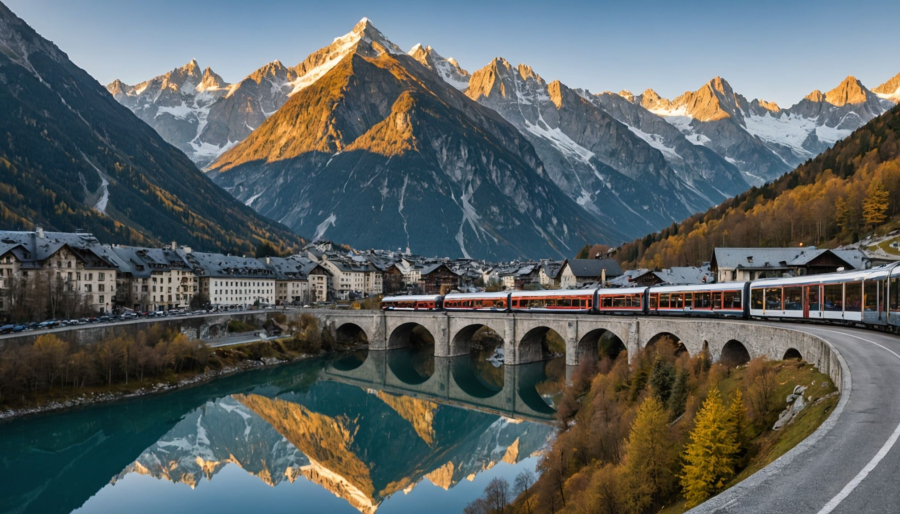
Absolutely! Rail travel represents one of the most scenic approaches to reach the French Alps, though it requires strategic planning. The best way to reach Chamonix by train involves taking Eurostar from London St Pancras to Paris Gare du Nord, then connecting to French regional services via Annecy or Saint-Gervais-les-Bains. Total journey time typically ranges from 8-11 hours depending on connections, with advance booking essential during peak seasons.
The Classic Route via Paris and Annecy
This popular routing combines Eurostar's 3.5-hour London-Paris service with SNCF regional trains. After arriving at Gare du Nord, you'll transfer to Gare de Lyon for TGV services to Annecy, then catch the scenic branch line to Chamonix-Mont-Blanc station. The best way to reach Chamonix via this route offers stunning lake and mountain vistas, particularly the final 90-minute segment through the Arve valley. Book Eurostar tickets 4-6 months ahead for best prices, especially during winter ski season. Total costs typically range £120-250 return, comparing favourably with short-notice flights. However, luggage restrictions on Eurostar (two bags maximum) can challenge families carrying extensive ski equipment during winter months.
Alternative Connection via Saint-Gervais
The Saint-Gervais routing provides another viable option, connecting through Lyon or Geneva by rail before the final mountain approach. This route particularly suits travellers preferring fewer changes, though journey times can extend slightly. The Mont Blanc Express section between Saint-Gervais and Chamonix showcases dramatic Alpine scenery, including glacier views and traditional mountain villages. chamonix travel options by rail become more limited during autumn maintenance periods (October-November), when replacement bus services may operate. Environmental benefits prove significant - rail travel generates roughly 80% fewer carbon emissions than flying. Winter considerations include potential weather delays and the challenge of managing heavy ski luggage through multiple station transfers, making this option better suited for lighter-packing summer visits.
Travel insight: Book accommodations near Chamonix station for easiest arrival access.
What about driving to Chamonix from the UK?
Driving remains the best way to reach Chamonix for families carrying ski equipment and seeking complete independence during their Alpine adventure. The journey covers approximately 650 miles through France's well-maintained autoroute network, typically taking eight to ten hours including Channel crossing time. Modern sat-nav systems and comprehensive motorway infrastructure make navigation straightforward, though winter conditions require specific preparation and equipment.
Channel Crossing and Route Planning
The Dover-Calais ferry crossing offers the most economical option, with P&O Ferries and DFDS operating frequent services throughout winter months. Eurotunnel Le Shuttle provides faster transit at premium pricing, particularly valuable during peak ski season when ferry schedules become congested. From Calais, the A26 autoroute leads directly towards Reims, connecting seamlessly with the A40 autoroute du Blanc towards Lyon and subsequently the A6 towards Chamonix valley. Motorway tolls accumulate to approximately £45-60 each way, while fuel costs average £80-100 for the complete journey. Pre-booking Channel crossings during February half-term and Easter holidays proves essential, as last-minute availability becomes severely limited. Consider overnight stops in Reims or Mâcon to break the journey, particularly when travelling with children or during adverse weather conditions.
Alpine Driving Requirements and Winter Equipment
French Alpine legislation mandates specific winter equipment between November and March for all vehicles entering mountain regions. Snow chains become compulsory when road signs indicate "Équipement Spéciaux Obligatoires," with fines reaching €135 for non-compliance. Winter tyres marked M+S (Mud and Snow) or 3PMSF (Three Peak Mountain Snow Flake) provide superior grip on icy mountain roads compared to standard summer tyres. Many UK drivers underestimate Alpine conditions, where temperatures can drop to -15°C and snowfall occurs unpredictably. Pack emergency supplies including warm clothing, food, water, and a shovel alongside standard breakdown equipment. Chamonix travel options become severely limited during heavy snowfall, making proper vehicle preparation absolutely critical. Consider practising snow chain installation before departure, as roadside fitting during blizzard conditions proves extremely challenging and potentially dangerous.
Parking and Local Transportation Considerations
Chamonix valley experiences severe parking shortages during peak periods, with most central locations reserved for residents or requiring expensive daily fees. The Grépon car park charges €2 per hour, while Planpraz offers slightly cheaper rates but fills rapidly during powder days. Many hotels provide parking spaces, though availability cannot be guaranteed without prior confirmation. Once established in Chamonix, the excellent chamonix shuttle service network connects all major ski areas and reduces reliance on private vehicles. The free ski bus operates every 15 minutes during winter season, making hotel-to-slope transportation remarkably efficient. Consider comprehensive European breakdown cover through RAC or AA, as Alpine recovery services cost significantly more than standard UK assistance. Vehicle insurance must include European coverage, with many policies automatically providing 30-90 days continental protection.
Pro tip: Book parking spaces in advance through hotel reservations to avoid costly daily rates!
Winter vs summer: How do transport options change?
Seasonal variations dramatically impact transport reliability and costs when considering the best way to reach Chamonix. Winter ski season brings heightened complexity with weather-related delays, challenging road conditions, and specialized equipment requirements that demand careful planning. Premium transfer services adapt their fleets with winter tyres, chains, and all-wheel-drive vehicles to navigate Alpine conditions safely.
Peak Winter Challenges
Snow-covered mountain passes and icy roads significantly affect journey times during peak ski season. The best way to reach Chamonix in winter requires booking chamonix transfer from geneva airport services that monitor weather forecasts and adjust routes accordingly. Professional drivers equipped with local knowledge navigate through Cluses or Sallanches when main routes face closure. Ski equipment transport adds another layer of complexity, requiring vehicles with adequate boot space and secure mounting systems. Premium services maintain heated vehicles and provide complimentary refreshments during potentially extended journeys. Costs typically increase by 20-30% during peak weeks, but the reliability justifies the investment. Advanced booking becomes essential as demand peaks during school holidays. Weather contingency plans ensure passengers reach their destination despite challenging Alpine conditions that can transform a standard ninety-minute journey into a three-hour expedition.
Summer Flexibility Advantages
Summer hiking season offers remarkable transport flexibility and cost advantages when determining the best way to reach Chamonix. Clear mountain roads enable faster journey times with minimal weather-related delays. Hiking equipment requires less specialized vehicle preparation compared to bulky ski gear, allowing standard vehicles to accommodate multiple passengers comfortably. Private transport to chamonix services often reduce rates by 15-25% during summer months due to decreased demand and improved road accessibility. Multiple route options become available, including scenic mountain passes that remain closed during winter months. Journey reliability increases significantly with predictable travel times and reduced contingency requirements. Flexible pickup times accommodate various flight schedules without weather-related complications. Vehicle maintenance costs decrease for operators, enabling competitive pricing for travelers. The extended daylight hours provide additional safety margins for mountain driving, particularly beneficial for late evening arrivals or early morning departures to catch connecting flights.
Year-Round Premium Solutions
Professional transfer services maintain consistent reliability regardless of seasonal challenges through specialized equipment and expert planning. Winter operations utilize 4WD vehicles with snow chains, heated passenger compartments, and experienced Alpine drivers familiar with mountain conditions. Summer services focus on comfort features like air conditioning and panoramic windows for scenic viewing. Vehicle selection adapts seasonally—larger SUVs dominate winter bookings for equipment capacity while elegant sedans serve summer travelers efficiently. Real-time weather monitoring systems enable route adjustments and passenger communication about potential delays. Premium services maintain relationships with local authorities for road condition updates and alternative route planning. Emergency equipment including blankets, refreshments, and communication devices remains standard across all seasons. Professional drivers undergo specialized Alpine training covering winter driving techniques and summer mountain safety protocols. This comprehensive approach ensures passengers experience consistent service quality whether traveling for skiing adventures or summer hiking expeditions through Mont Blanc's stunning valley.
Smart tip: Book winter transfers 48 hours ahead for weather contingency planning!
Budget planning: What will your journey cost?
Planning your Alpine adventure requires careful consideration of transport costs beyond basic ticket prices. Door-to-door expenses vary dramatically depending on your chosen route, with hidden charges often doubling initial estimates. Understanding true travel costs helps determine the best way to reach Chamonix within your budget constraints.
Budget-Friendly Options: Economy Transport
Budget airlines from UK airports typically cost £40-120 return to Geneva, but additional expenses quickly accumulate. Parking at UK airports ranges from £8-15 daily, while chamonix transfer from geneva airport via bus costs €35-45 one-way. Budget carriers charge extra for baggage (£25-40), seat selection (£8-25), and meals (£10-15). Group bookings of 4+ passengers reduce per-person costs significantly through shared transfers costing €15-20 each. Advance booking saves 20-40% on both flights and transfers, particularly during peak winter months when prices surge 50-80%. Consider overnight stays if late arrivals make connections impossible, adding €60-100 accommodation costs. Total budget journey costs typically range £180-280 per person including all hidden expenses and realistic door-to-door requirements.
Mid-Range Comfort: Balanced Value
Premium economy flights or full-service carriers offer better value when factoring included benefits like checked baggage and flexible booking terms. Prices range £150-300 return with fewer surprise charges. Chamonix shuttle service options provide comfortable transfers at €50-75 per person, offering scheduled departures and luggage assistance. Train combinations via Paris or Lyon cost €120-180 return but require 6-8 hours total journey time. Rental cars suit groups of 3-4, costing €200-350 weekly plus fuel (€80-120) and parking fees in Chamonix (€15-25 daily). Winter tyre requirements add €50-80 rental surcharges. Mid-range transport totals £280-450 per person, delivering better comfort and reliability than budget alternatives while maintaining reasonable costs for most travellers seeking the best way to reach Chamonix.
Premium Luxury: Maximum Convenience
Business class flights from £400-800 include priority services, lounge access, and generous baggage allowances. Private transport to chamonix offers ultimate convenience at €300-500 for up to 8 passengers, providing door-to-door service with professional drivers familiar with Alpine routes. Helicopter transfers cost €1,200-2,000 for spectacular mountain approaches, weather permitting. Premium options eliminate waiting times, luggage restrictions, and connection stress. Seasonal variations affect luxury services less dramatically, though Christmas and New Year periods command 25-50% premiums. Private drivers accommodate flight delays and provide local insights, justifying higher costs for special occasions or business travel. Executive car services include child seats, Wi-Fi, and refreshments. Luxury transport totals £500-1,200 per person but delivers unmatched convenience and comfort for discerning travellers prioritizing seamless Alpine access.
Smart tip: Book transfers simultaneously with flights for package discounts and guaranteed connections.
Questions fréquentes
Travellers planning their Alpine adventure often have similar concerns about transport logistics. These common questions address practical aspects of reaching this renowned mountain destination.
What's the best way to reach Chamonix from Geneva Airport?
Chamonix transfer from Geneva airport offers several options: shared shuttles (€35-45), private transfers (€150-200), or train via Annecy (3.5 hours). Most visitors prefer direct transfers for convenience and mountain equipment transport.
How long does the journey take from UK airports?
Flying to Geneva takes 1.5-2 hours, plus 1-1.5 hours ground transfer. Total travel time ranges 4-6 hours including connections. Winter conditions may add 30 minutes to mountain routes.
Can I transport ski equipment easily?
Private transport to chamonix handles bulky gear effortlessly. Shared shuttles accommodate standard ski bags. Airlines charge £40-80 for equipment, while some transfers include gear transport in pricing.
When should I book transfers during peak season?
Reserve chamonix airport transfers 2-3 weeks ahead for February half-term and Christmas periods. Last-minute bookings cost 20-30% more and availability becomes limited, especially for larger groups.
What's the best way to reach Chamonix with young children?
Direct private transfers work best with families. Car seats are provided, journey breaks are flexible, and luggage handling is simplified. Avoid train connections with multiple bags and tired children.
Are there budget-friendly transport options?
Shared shuttles offer the **best way to reach chamonix** economically. Book return journeys for 10-15% discounts. FlixBus serves the route for under €25, though journey time exceeds 4 hours.
Travel insight: Book transfers when confirming accommodation to secure preferred departure times!
